
Tuckpointing & Repointing Services
Professional mortar repair and restoration to protect your Manchester masonry for decades to come.
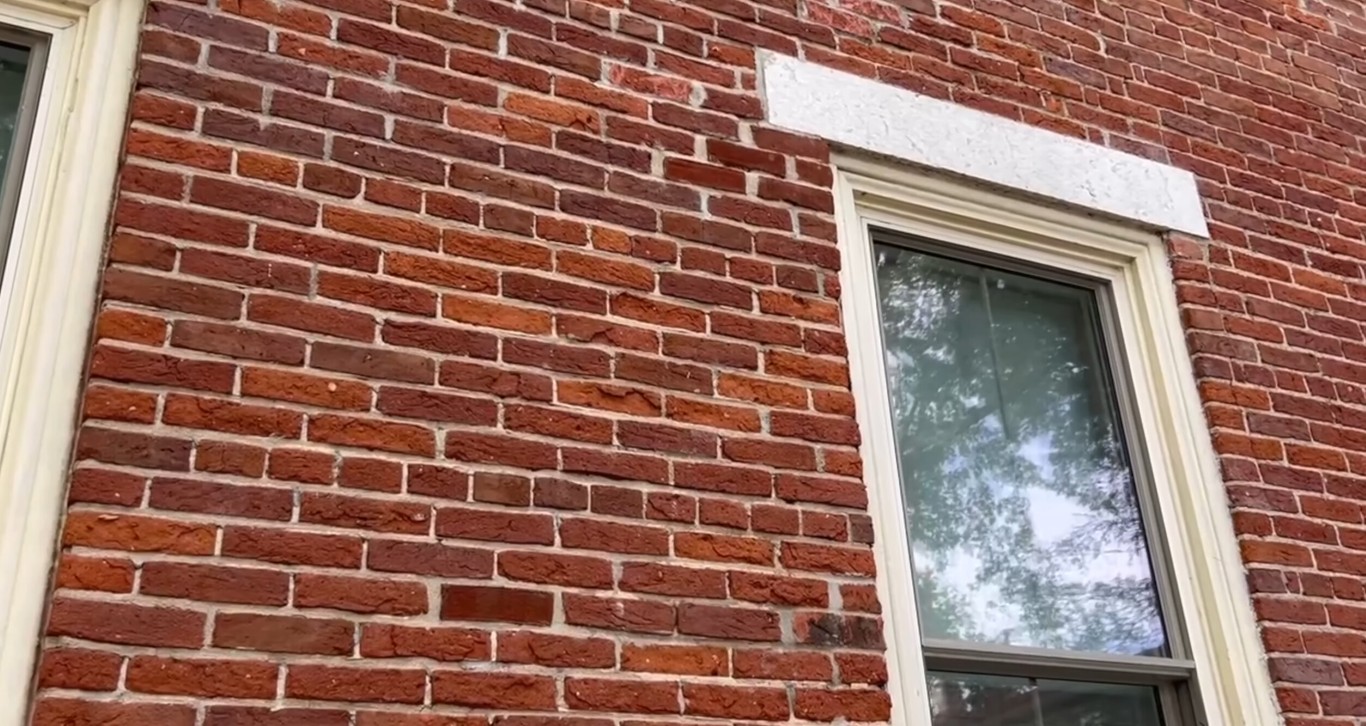
Why Tuckpointing and Repointing Matter
Mortar holds your bricks together and keeps water out of your walls. Over time, weather and age break down mortar joints. When those joints deteriorate, water seeps in behind your bricks, causing damage you cannot see until it becomes expensive to fix. Tuckpointing and repointing repair those damaged joints before water destroys your masonry from the inside out.
Many Manchester homeowners confuse these two terms. Tuckpointing creates a decorative appearance by using two colors of mortar. Repointing simply replaces deteriorated mortar with new material. Most residential work is actually repointing, though people often call it tuckpointing. Whatever you call it, the goal is the same: restore mortar joints to protect your masonry and maintain structural integrity.
New Hampshire weather is hard on mortar. Freeze-thaw cycles, heavy rain, snow, and temperature swings all contribute to joint deterioration. Historic homes around Manchester often have lime-based mortar that needs special attention. Modern homes can develop issues too, especially when builders used improper mortar mix or installation techniques. Regular mortar maintenance prevents water damage, extends masonry life, and saves you money compared to major repairs or replacement.
Signs Your Mortar Needs Professional Attention
Catching mortar problems early makes repairs easier and less expensive. Here are the warning signs that indicate your masonry needs repointing work:
- Crumbling or powdery mortar that brushes away easily
- Gaps or holes in joints where mortar has fallen out
- Cracks running through mortar joints
- White crusty deposits on bricks or mortar
- Water stains on interior walls near masonry
- Loose or wobbly bricks indicating failed mortar
- Mortar recessed more than a quarter inch from brick face
- Different colored patches showing previous poor repair attempts
The Water Intrusion Problem
When mortar joints fail, water becomes your biggest enemy. Rain soaks into walls through gaps and cracks. In winter, that water freezes and expands, pushing bricks apart and causing more damage. Over time, this cycle destroys bricks from behind, damages interior walls, promotes mold growth, and compromises structural integrity. By the time you see water stains inside your home, significant hidden damage has already occurred.
Structural Concerns
Mortar does more than keep water out. It distributes weight across the wall and holds everything together. When joints deteriorate, walls weaken and bricks loosen. This creates safety hazards, especially on chimneys, retaining walls, and structural walls. Our brick repair services often work hand in hand with repointing to fully restore damaged masonry. Addressing mortar problems maintains the structural strength your masonry needs to support your home safely.
Professional Repointing: How We Do It Right
Quality repointing requires skill, the right materials, and proven techniques. Here is what sets professional work apart from quick fixes that fail in a few years.
Careful Joint Removal
We grind out old mortar to proper depth without damaging bricks. This typically means removing mortar to a depth of three-quarters to one inch. Too shallow and new mortar will not bond properly. Too deep risks damaging bricks. We use specialized grinders and hand tools appropriate for your specific masonry. Historic brick requires extra care to prevent damage during removal.
Proper Mortar Mix
Matching mortar strength to your existing masonry is critical. Modern Portland cement mortar is too hard for old lime-based brick. Using the wrong mortar causes bricks to crack and spall. We test your existing mortar and mix new material with appropriate strength, color, and composition. Historic restoration often requires lime-based mortar mixed according to traditional specifications.
Expert Installation
New mortar gets packed tightly into cleaned joints, eliminating voids where water could collect. We work in stages to match curing conditions and achieve consistent color. Joint finishing matches your existing profile, whether that is flush, concave, or another style. Proper curing time is essential for strength and durability. We protect fresh work from weather extremes during the critical curing period.
Quality That Lasts
Professional repointing should last 30 to 50 years or more with proper materials and installation. We stand behind our work because we do it right. This means using quality materials, following proven methods, and taking the time needed for proper installation and curing. Our experience with Manchester area homes means we understand local conditions and how to build masonry that withstands New Hampshire weather. We also provide guidance on retaining wall projects that require similar mortar expertise and attention to detail.
Frequently Asked Questions About Tuckpointing
Protect Your Masonry Investment
Contact us for a free assessment of your mortar condition and a detailed repointing estimate.